Introduction
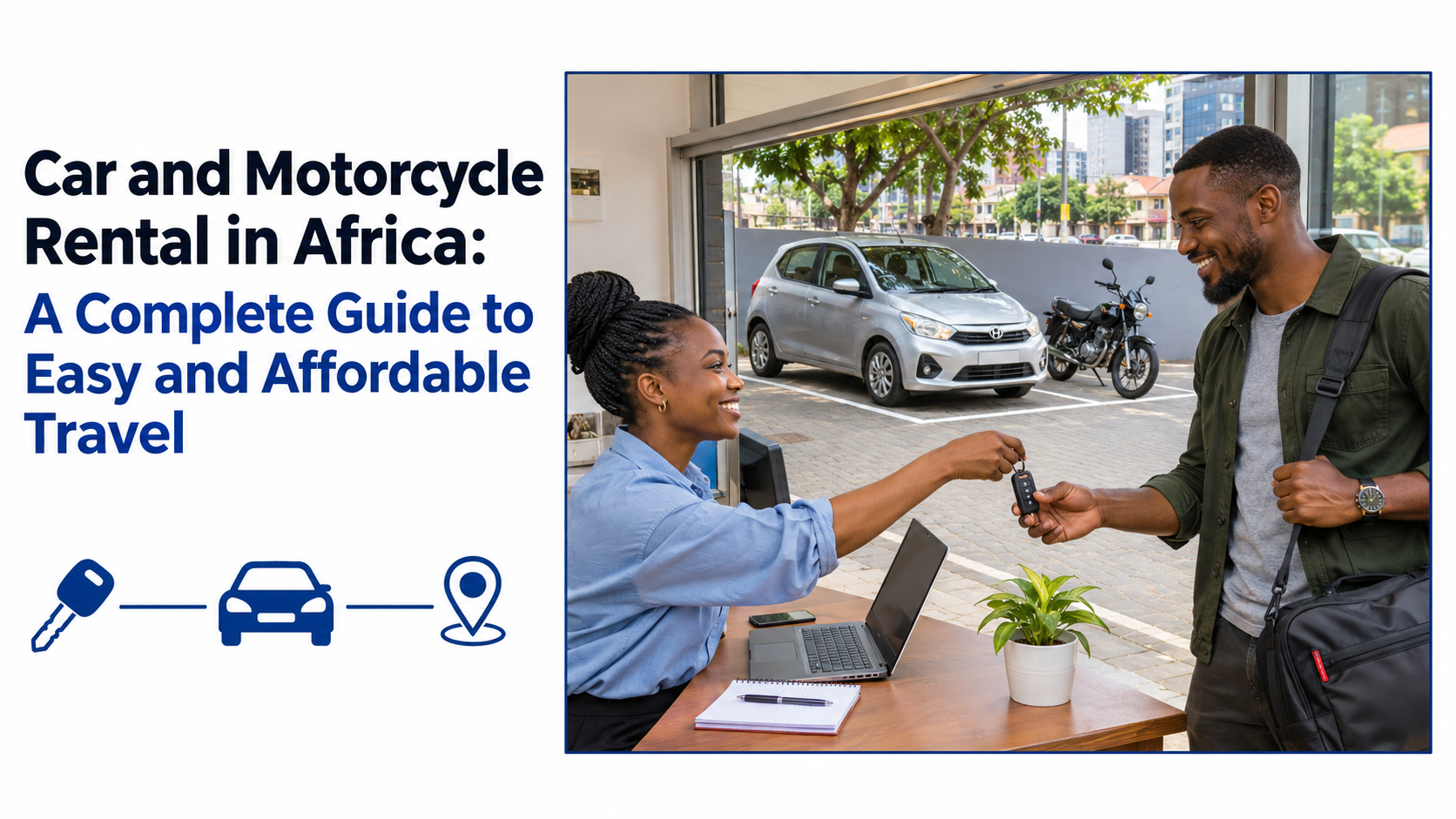
A rental vehicle can make travel and work easier. But every journey needs careful planning. Drivers must choose the right vehicle and understand its limits. Owners must prepare their vehicles and explain the rental terms. These steps matter in busy cities and smaller towns. They also matter when people travel between different areas. A low rental price should never replace a safety check. This guide covers cars, motorcycles, and pickup trucks across Africa. It explains what renters and owners should check before, during, and after a rental.
1. Car Rental Buea Cameroon: Check the Vehicle Before Your Journey
A car rental in Buea can support personal trips and work travel. However, renters should inspect the vehicle before leaving. A short inspection can help identify visible problems. It also gives both sides a clear record of the vehicle’s condition.
Start with the tyres. Look for visible damage and check their condition. Test the headlights, indicators, brake lights, and horn. Check the mirrors and windscreen for damage. Make sure the doors and seat belts work.
Ask about the car’s service history and recent maintenance. Confirm that the required vehicle documents are available. Check the rental agreement for driver rules and travel limits.
The road conditions should also influence your choice. A small car may suit some town journeys. Another vehicle may better suit a route with rough surfaces. Ask the rental provider about the vehicle’s intended use.
Before driving, adjust the seat and mirrors. Check that every passenger wears a seat belt. Keep your licence and important rental details available.
2. Car Hire Cape Town: Understand the Rental Terms and Road Rules
Cape Town offers many travel options. A rental car may help visitors reach different locations. It may also support people who need transport for business. Still, drivers should understand the rules before collecting a vehicle.
Ask the provider which documents you need. Confirm licence requirements and any age restrictions. International visitors should check whether their licence meets local rules.
Read the rental agreement carefully. Pay attention to the deposit, mileage limit, fuel policy, and return time. Ask whether the agreement allows extra drivers. Confirm the process for reporting an accident or breakdown.
Check the car’s safety features before departure. Test the lights, brakes, indicators, and wipers. Look at the tyres and note any visible damage. Take photos if the provider permits this process.
Plan your route before driving. Check parking options and allow time for traffic. Avoid using a phone while driving. Follow local road signs and speed limits.
A clear agreement and a careful inspection help protect both the renter and the owner. They also make it easier to discuss problems if something goes wrong.
3. Motorcycle Rental Cape Town: Put Rider Safety First
Motorcycle travel requires extra care. A motorcycle offers less physical protection than a car. Riders should choose a model that matches their skill and experience.
Before renting, check the licence requirements. Do not ride without the correct licence. Ask about the motorcycle’s engine size and controls. Choose a model you can handle with confidence.
Inspect the motorcycle before collection. Check the tyres, brakes, lights, mirrors, and indicators. Look for leaks or loose parts. Ask the provider about any known mechanical issue.
Wear a suitable helmet and protective clothing. Use footwear that covers your feet. Avoid loose clothing that may affect your control. Check the weather before starting your trip.
New riders should avoid difficult routes. Practice basic controls in a safe place before joining busy traffic. Keep a safe distance from other vehicles. Never ride under the influence of alcohol or drugs.
Ask the provider what to do if the motorcycle develops a fault. Keep the contact details available during the rental. A clear safety discussion can prevent confusion later.
4. Motorcycle Rental Johannesburg: Prepare for Traffic and Changing Conditions
Johannesburg has busy roads and varied traffic conditions. Motorcycle riders should plan each journey with care. A route that looks short on a map may still need more time.
Check the route before leaving. Look for road closures and areas that may need extra caution. Do not rush to meet a booking deadline. Allow enough time for traffic and safe parking.
Inspect the motorcycle at collection. Test the brakes and lights. Check the tyre condition and mirrors. Make sure the controls work as expected. Report visible damage before accepting the vehicle.
Wear a helmet that fits properly. Use gloves, protective clothing, and suitable shoes. Keep both hands ready to control the motorcycle. Avoid carrying loads that affect balance.
Owners should also prepare motorcycles before each rental. They should keep up with maintenance and explain the main controls. They should also make the return process clear.
Both sides should agree on the condition of the motorcycle. Photos and written notes can help create a shared record. This simple step can reduce disputes about damage.
5. Pickup Truck Rental Buea: Protect Your Load and Your Passengers
Pickup trucks can support deliveries, construction work, and other business tasks. But a truck must carry loads within its stated limits. Overloading can affect handling and braking. It can also create risks for other road users.
Estimate the weight and size of your goods before renting. Ask the provider about the truck’s load capacity. Do not rely on guesswork. Choose a vehicle that suits the planned task.
Secure every item before driving. Use suitable straps or other proper restraints. Keep the load balanced. Make sure nothing blocks the driver’s view. Never allow passengers to ride in an unsafe cargo area.
Check the tyres, brakes, lights, mirrors, and cargo space. Look for damage before loading goods. Confirm that the truck has the required documents.
Drivers should also consider the route. A large pickup needs more room to turn and park. Some roads may not suit every vehicle. Plan the journey with the truck’s size in mind.
After the task, inspect the cargo area. Remove all goods and rubbish. Return the truck according to the agreement.
6. Car Rental Gwanda Zimbabwe: Plan for Distance and Road Conditions
A rental car can help visitors and local businesses travel around Gwanda. Before choosing one, consider the distance and road conditions. The right vehicle depends on the route and the number of passengers.
Ask the provider whether the car suits your planned journey. Confirm any limits on travel areas. Do not assume that a rental agreement permits travel across every border or region.
Check the tyres, spare tyre, lights, brakes, and windscreen. Ask whether the vehicle has the tools needed for a tyre change. Confirm what support is available if the car breaks down.
Plan fuel stops before a longer journey. Keep your phone charged and carry important contact details. Let someone know your travel plan when appropriate.
Avoid driving when tired. Take breaks during long journeys. Follow local signs and road rules. Slow down when road conditions change.
Before returning the car, check for personal belongings. Confirm the return time and location. Keep proof of the handover if available.
7. Self Drive Car Rental South Africa: Take Responsibility Behind the Wheel
Self-drive rentals give the renter direct control of the vehicle. That freedom also brings responsibility. The driver must follow road rules and the rental agreement.
Check the licence and document requirements before booking. Confirm who may drive the vehicle. Do not let an unapproved person use the car.
At collection, inspect the vehicle with the provider. Check the tyres, brakes, lights, mirrors, and seat belts. Record visible damage and confirm the fuel level. Ask how to report an accident or mechanical problem.
Plan your route and check the expected travel time. Keep enough fuel for the journey. Avoid distractions while driving. Never drive when tired or impaired.
If an accident happens, focus first on safety. Follow local emergency procedures and contact the relevant authorities when required. Inform the rental provider as soon as it is safe. Follow the agreement’s reporting process.
Return the car at the agreed time and place. Report any new damage honestly. Clear communication helps protect both parties.
8. Electric Car Rental Cape Town: Understand Charging and Vehicle Range
Electric cars need a different kind of journey plan. Drivers must consider charging access and battery range. A route that suits a petrol car may need more planning with an electric vehicle.
Before booking, ask about the car’s stated range. Check whether the vehicle comes with a charging cable. Confirm which charging options the provider recommends.
Plan charging stops before a longer trip. Do not wait until the battery reaches a very low level. Keep enough charge for unexpected delays or route changes.
Learn how the car shows battery level and remaining range. Ask the provider to explain the charging process. Check the return battery requirement in the agreement.
Also inspect the vehicle before departure. Check tyres, lights, mirrors, brakes, and visible body damage. Ask about roadside support and what to do if charging becomes unavailable.
Electric cars can suit some city journeys. However, the best choice depends on the route, charging access, and travel needs. Careful planning helps drivers avoid unnecessary delays.
9. Peer to Peer Car Rental South Africa: Build Trust Through Clear Records
Peer-to-peer car rental connects vehicle owners with people who need temporary transport. This model can create more rental choices. It also makes clear communication important.
Renters should read each listing carefully. Check the vehicle details, location, dates, and stated conditions. Ask questions about anything unclear. Confirm the total price before agreeing.
Owners should prepare their vehicles before a booking. Check the tyres, lights, brakes, and general condition. Keep the required documents current. Confirm that insurance and other agreements permit the planned rental use.
Both sides should record the vehicle’s condition during handover. Take photos of existing marks and note the fuel level. Confirm the mileage and return time. Keep important messages and booking details.
For those exploring this rental model, MotoShare Africa provides a place to review vehicle-sharing information. Check the details and terms that apply to each listing. Never assume that every vehicle has the same conditions or protection.
Trust grows when both sides share accurate information. Clear records also help them discuss problems fairly.
10. Rent Out Your Car South Africa: Protect Your Vehicle and Your Responsibilities
Renting out a personal car requires more than finding someone who wants to drive it. Owners must consider safety, legal duties, insurance, and vehicle care.
First, check your insurance policy. Ask the insurer whether it covers rental use. Review any finance or leasing agreement. Confirm local legal requirements before offering the vehicle.
Prepare the car before each booking. Check the tyres, brakes, lights, mirrors, and seat belts. Keep maintenance records and required documents available. Fix known safety problems before renting the vehicle.
Create clear rental terms. State who may drive the car, where it may travel, and when it must return. Explain the fuel and mileage rules. Describe how renters should report damage or mechanical problems.
Check the renter’s required documents according to the applicable rules. Do not skip important checks to secure a booking. Take photos before handover and record the vehicle’s condition.
Owners should also plan for servicing and repairs. Rental income does not equal profit. Regular use can increase wear and maintenance needs. Include these costs when deciding whether renting out the car makes sense.
A Responsible Rental Starts Before Collection
A safe rental process begins before anyone starts the engine. Both sides should understand the vehicle and the agreement.
Renters should ask questions before payment. Owners should give clear and accurate information. Neither side should hide known vehicle problems.
A good handover should cover:
- Vehicle condition and visible damage.
- Required documents and driver eligibility.
- Fuel level and mileage.
- Rental dates and return location.
- Payment, deposit, and extra charges.
- Breakdown and accident procedures.
- Contact details for urgent questions.
Both sides should keep a copy of important records. They should also communicate changes as soon as possible.
What to Do When a Rental Problem Occurs
Problems can happen even after careful planning. A tyre may lose pressure. A vehicle may develop a fault. A renter may face an unexpected delay.
Do not ignore warning lights or unusual sounds. Stop in a safe place when the vehicle may be unsafe. Contact the provider and follow the agreed support process.
If an accident occurs, protect people first. Follow local emergency rules. Share accurate information with the provider and relevant authorities. Keep records of the incident.
Owners should avoid making promises they cannot support. Renters should report issues honestly. Clear communication helps both sides decide what to do next.
Frequently Asked Questions
1. What should I inspect before renting a car in Africa?
Check the tyres, brakes, lights, mirrors, seat belts, and windscreen. Review the required documents and rental terms. Record existing damage with photos. Ask about breakdown support and the process for reporting an accident.
2. Can I rent a motorcycle without riding experience?
You should not rent a motorcycle unless you can ride it safely and meet licence requirements. Choose a vehicle that matches your skills. Wear proper protective gear. If you lack experience, consider another transport option.
3. What should I check before renting a pickup truck?
Check its load capacity, tyres, brakes, lights, and cargo area. Estimate the weight of your goods. Ask about travel limits and return rules. Never overload the truck or carry passengers in an unsafe cargo area.
4. How can I stay safe during a self-drive rental?
Check the vehicle before departure and plan your route. Follow local road rules and avoid distractions. Do not drive when tired or impaired. Keep the provider’s contact details ready for breakdowns or other problems.
5. What should I do if a rental car breaks down?
Move to a safe location if possible. Follow local safety procedures and contact the rental provider. Use the support process in your agreement. Do not arrange major repairs without checking the provider’s instructions.
6. Does peer-to-peer car rental always include insurance?
No. Insurance terms can differ between providers, owners, and rental arrangements. Ask what protection applies to the specific booking. Read exclusions, driver conditions, and reporting rules before accepting the vehicle.
7. Can I take a rental car across a border?
Do not assume that cross-border travel is allowed. Check the rental agreement and ask the provider for written approval. You may need extra documents or permissions. Confirm all requirements before planning the journey.
8. How can a vehicle owner reduce rental damage disputes?
Inspect the vehicle with the renter during handover. Record the fuel level, mileage, and visible damage. Take clear photos and keep written records. Explain the return rules and reporting process before the renter leaves.
9. What safety gear should motorcycle renters use?
Riders should wear a suitable helmet and protective clothing. Gloves and proper footwear can also help. Choose gear that fits well and suits the ride. Follow local safety requirements and avoid riding beyond your skill level.
10. What should I check before renting out my car in South Africa?
Review your insurance, finance agreement, and legal duties. Check the vehicle’s condition and documents. Prepare written rental terms and inspect the car before handover. Include maintenance and repair costs in your financial plan.
Final Thoughts
A responsible rental begins with good choices and honest communication. Renters should select vehicles that suit their journeys. They should also inspect each vehicle and understand the agreement. Owners should maintain their vehicles and explain the rental conditions. Safety checks matter for cars, motorcycles, and pickup trucks. They matter for short trips and longer journeys. No rental price can replace careful driving or proper maintenance. Take time to check the details before every booking. When both sides act responsibly, they can make better transport decisions and reduce avoidable problems.